Tackle World • Fabric Guide • 6 min read
A practical guide to understanding custom t-shirt GSM — the fabric weight system that affects comfort, fit, durability, and printing quality in custom apparel production.
Most people hear terms like 160 GSM, 180 GSM, or 220 GSM while ordering custom apparel, but very few actually understand how fabric weight changes comfort, fit, durability, and print quality. Many buyers assume higher GSM automatically means better quality. However, that is not always true.
The right GSM depends on how the apparel will actually be used. Corporate uniforms require a different fabric weight than oversized streetwear or promotional merchandise. Therefore, choosing the right custom t-shirt GSM helps buyers avoid common fabric mistakes and achieve better results in bulk apparel production.
What GSM Actually Means
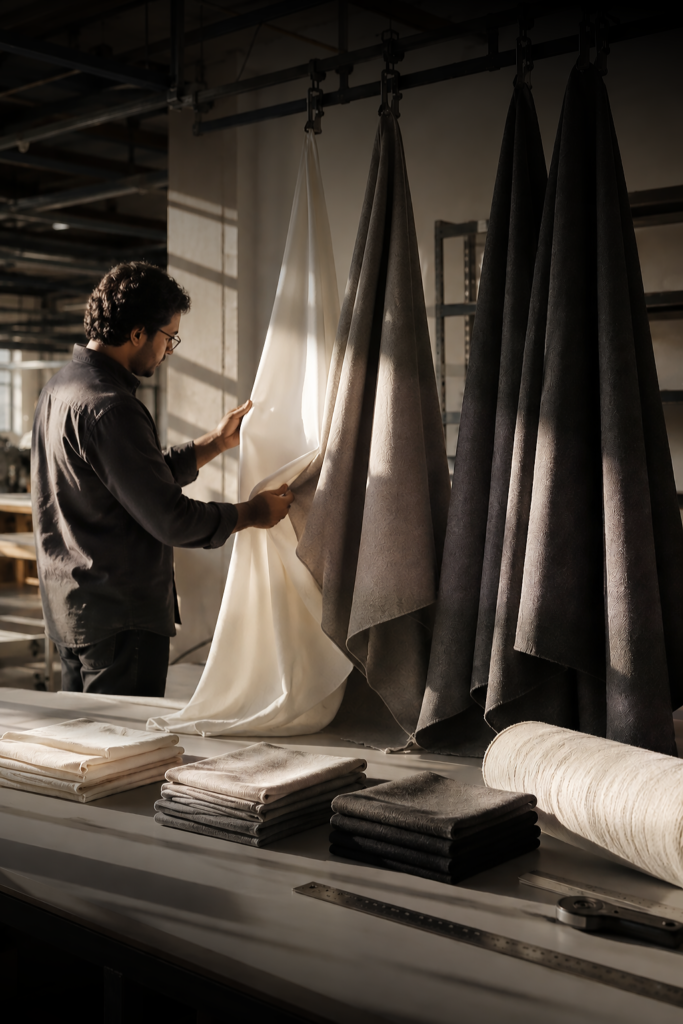
GSM stands for grams per square metre. It measures the weight and density of the fabric used in a t-shirt.
GSM stands for grams per square metre. It measures the weight and density of fabric.
Lower GSM fabrics feel lighter and more breathable. Higher GSM fabrics feel thicker and more structured.
For example:
- 160 GSM feels lightweight
- 180 GSM feels balanced
- 220 GSM feels heavyweight and premium
However, GSM alone does not decide quality. Fabric quality also depends on:
- cotton type
- yarn quality
- knitting
- finishing process
- dyeing quality
Why GSM Matters More Than Most Buyers Realise
Most buyers focus on colour, printing, and pricing while placing a custom apparel order. However, fabric weight is what actually changes how the final product feels during everyday use.
A fabric that feels too thin may look weak after printing. On the other hand, a fabric that feels too heavy may become uncomfortable in warm weather. Therefore, choosing the right GSM is less about thicker or thinner fabric and more about selecting the right balance for the intended use.
Why Custom T-Shirt GSM Changes Comfort, Fit, and Feel
Different fabric weights create completely different wearing experiences. Some fabrics feel light and breathable for everyday comfort, while others feel thicker, more structured, and premium.
Lightweight fabrics usually feel softer and cooler, which makes them suitable for summer wear, promotional merchandise, and active use. Midweight fabrics create a more balanced feel between comfort and durability, making them ideal for regular daily wear and corporate apparel.
On the other hand, heavyweight fabrics create a denser and more structured fit. Because of this, they are widely used in oversized fashion, premium streetwear, and winter collections.
Fabric weight also affects how apparel looks after printing. Heavier fabrics usually hold shape better, support raised print textures more effectively, and create a more premium appearance overall.
Therefore, choosing the right GSM is not only about thickness. It is about selecting the right fabric experience for the intended use.
How Custom T-Shirt GSM Affects Printing Quality
Fabric weight affects more than just thickness. It also changes how printing appears, feels, and performs over time. Different printing methods react differently across lightweight, midweight, and heavyweight fabrics, which is why choosing the right custom t-shirt GSM plays an important role in final print quality.
Screen Printing
Screen printing performs best on medium and heavyweight fabrics because the surface handles ink more evenly. As a result, colours appear sharper and more consistent.
DTF Printing
DTF printing works effectively across both lightweight and heavyweight fabrics. In addition, it supports detailed artwork and smaller production runs.
Puff Printing
Puff printing creates stronger raised texture effects on thicker fabrics. Therefore, heavyweight fabrics are widely used in oversized streetwear and fashion-focused branding.
Embroidery
Embroidery performs better on structured fabrics because the material supports stitching more effectively. 180 GSM and above usually provide cleaner embroidery results.
The Most Common Fabric Mistake Buyers Make
Many buyers assume heavier fabric automatically means better quality. However, choosing the wrong GSM often creates discomfort and unnecessary production cost.
For example:
- heavyweight fabrics may feel too warm for outdoor campaigns
- lightweight fabrics may not create the premium structure needed for fashionwear
- incorrect GSM can affect print durability and overall appearance
Therefore, the ideal fabric weight should always match:
- the audience
- weather conditions
- branding goals
- printing style
- intended usage
How Tackle World Helps Buyers Choose the Right Fabric
At Tackle World, fabric selection starts with understanding how the apparel will actually be used.
The production team helps buyers choose:
- suitable GSM
- fabric blends
- printing methods
- finishing options
based on comfort, durability, branding goals, and production scale.
Whether the requirement is for promotional merchandise, corporate uniforms, retail collections, or oversized fashionwear, the focus always remains on consistency and long-term quality.
Final Thoughts
The best GSM is not always the heaviest one. The right fabric weight depends on comfort, durability, appearance, printing quality, and intended use.
- lightweight fabrics improve breathability
- midweight fabrics balance comfort and durability
- heavyweight fabrics create a premium structured feel
Understanding these differences helps buyers make smarter decisions before placing a custom apparel order.